
Hydrotherapy for Dogs: How Water Exercise Helps Recovery After Surgery
October 6, 2026
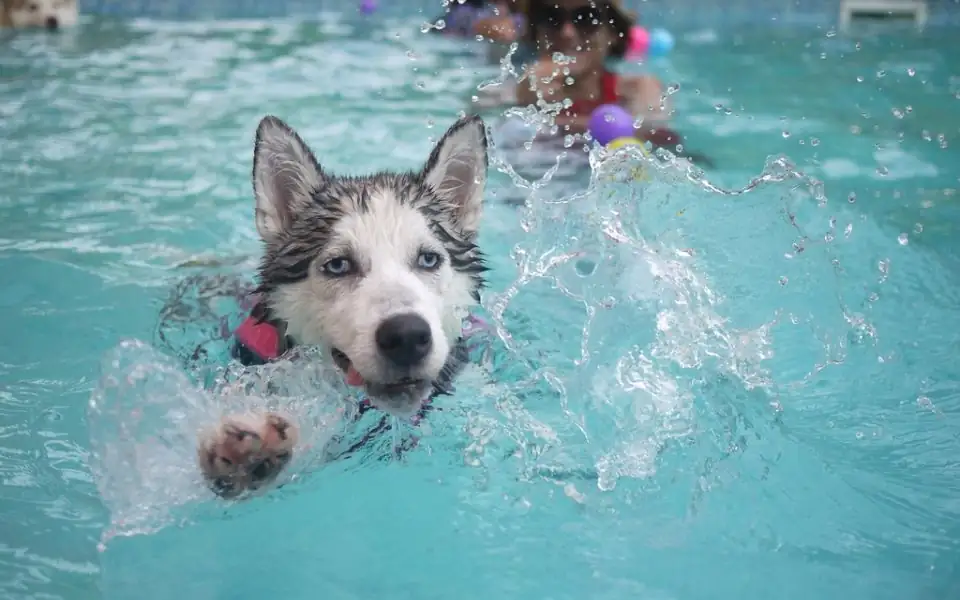
The first weeks of recovery after an operation put a dog in an awkward position. The repaired joint or spine needs controlled movement to heal well, yet ordinary walking can load it before it is ready, and muscle wastes quickly when a dog barely moves. Hydrotherapy for dogs is one of the ways veterinary teams handle that gap: exercise in warm water lets a recovering dog work its limbs while buoyancy carries part of its weight. It is not right for every patient or every stage of healing, and the pace of progress varies from dog to dog.
What canine hydrotherapy involves
In clinical terms, canine hydrotherapy means physical therapy carried out in water to improve specific functions: walking without a limp, rebuilding a wasted thigh, restoring range of motion in a stiff joint. A summer swim at the cottage is not the same thing. Sessions follow a plan, are supervised by trained staff and usually start with a referral from the dog's own veterinarian.
The two main types of hydrotherapy are the underwater treadmill, a moving belt inside a tank that fills once the dog is standing on it, and swimming in a heated hydrotherapy pool fitted with a ramp, harnesses and sometimes a hoist. Both grew out of equine practice and reached dogs in general by way of racing greyhounds.
Why exercise in water suits a healing body
Most of the benefits come from buoyancy. When healthy dogs were measured standing in water up to the hip, the force through their limbs fell by about 62%, so in a treadmill tank filled to that level a dog carries less than half its normal weight and painful joints can move through a fuller arc than on land.
Resistance comes next. Exercise against water makes the dog's muscles work harder at a slow pace, so a patient can build strength without the jolt of each stride on pavement. Warmth matters as well: treatment pools are heated, which relaxes tight tissue and helps prevent muscle spasm.
Water work also retrains gait. A dog that has been favouring a leg for weeks often keeps limping out of habit. Slow, supported walking gives the therapist a chance to spot those compensations and correct them before they cause strain somewhere else.
Operations and injuries where it is used
Most post-operative referrals fall into a few groups:
- Cruciate ligament repair, including TPLO and other techniques for a ruptured cranial cruciate ligament, which is one of the most common orthopedic injuries in dogs.
- Spinal operations, for example after disc disease. Buoyancy holds up weak or poorly coordinated legs while nerves recover and gives constant feedback about limb position.
- Fracture repair and operations on joints, such as treatment for hip or elbow dysplasia or a luxating patella.
- Before an operation, to hold on to muscle and fitness in a dog that cannot exercise normally while it waits for its operation.
Canine hydrotherapy is also used for chronic conditions like arthritis, for neurological conditions that never needed an operation, and for weight loss. Post-operative care is where a structured program matters most, because the tissue is still healing.
When dogs recovering from surgery can start
Hydrotherapy for dogs does not begin the day a patient comes home. Rehabilitation teams generally wait until the stitches or staples have been removed and the incision is sealed, often 10 to 14 days after the procedure, so the wound is neither softened nor contaminated. The first days focus on pain and swelling control and gentle exercise on land.
The Veterinary Medical Centre at the University of Saskatchewan describes the same sequence for its small animal rehabilitation service: pain and swelling first, then a warm-water treadmill with adjustable depth and speed, with the workload raised as recovery progresses. The surgeon or a veterinary rehabilitation practitioner should set the start date and clear each step up, since timing depends on the procedure and the wound.
Underwater treadmills or the pool: which comes first
The type of hydrotherapy depends on the dog's needs, but after orthopedic injuries are repaired the treadmill usually comes first. It allows the therapist to change water depth, belt speed and sometimes incline within one session, and the dog walks with a normal gait, paws on the ground. Shallow water puts more weight on the limbs; deeper water gives more support. Underwater treadmills are also generally considered better for working the hind legs, where cruciate and hip patients need the work.
Swimming has different benefits. It is a strong cardiovascular workout and suits dogs for whom any weight-bearing hurts, or dogs with arthritis in several joints. It is much harder to grade, though, and it works the front legs more. The vigorous kick of a paddling dog, and the scramble out of a swimming pool, can strain a ligament that is still healing, so free swimming after cruciate surgery is often left for later and added only when the rehabilitation team agrees. Many dog hydrotherapy programs combine swimming and underwater walking in sequence.
What a typical session looks like
Dog hydrotherapy starts with an assessment rather than a workout. A veterinarian or rehabilitation practitioner examines the dog, reviews the surgical report and any other conditions, and agrees on goals with the owner. After that:
- Before beginning hydrotherapy in earnest, the dog is fitted with a life jacket or a harness the therapist can hold.
- Entry and exit are controlled, by ramp, hoist or a tank that fills after the dog is inside. Jumping in or clambering out unaided is one of the easiest ways to injure a healing limb.
- Early therapy sessions are short, sometimes 5 to 10 minutes of actual exercise with rests, building towards 20 to 30 minutes over the following weeks.
- Afterwards the coat and ears are dried. Moisture left in the ears can lead to infection, and some dogs develop skin irritation after repeated soaking.
The schedule is set at the assessment and adjusted at rechecks. There is a side benefit during crate rest: controlled exercise burns off energy, so the dog is more likely to settle at home.
What water work cannot do on its own
Aquatic therapy is one part of treatment, not the whole plan. It can strengthen muscles and improve stamina, but it is a blunt tool for one weak muscle or a spot that is still swollen, so land exercises, manual work and other modalities fill those gaps. Owners also leave with a home routine of controlled leash walks, sit-to-stand repetitions and balance work, and the sessions support that routine rather than replace it.
When a dog should wait or skip it
Water therapy is not suitable for every dog's condition. Common reasons to postpone or avoid it include:
- an open or infected wound, or a skin infection;
- heart or lung conditions, where hard aerobic effort can do harm;
- an unstable spine, where swimming movements can make back injuries worse;
- uncontrolled seizures;
- a flat-faced breed such as a pug or bulldog, which may struggle to breathe and is usually started on the treadmill under close watch;
- real fear of water. Forcing an anxious dog in can hurt both dog and handler.
Home swimming is for healthy dogs. After an operation, or with spinal problems, dog hydrotherapy belongs in a supervised setting where depth and effort can be adjusted.
Finding qualified help in Canada
The surgeon or your regular veterinarian is the place to start if water work seems worth trying after an operation. They can refer you to a canine rehabilitation service, which in Canada may be part of a referral hospital, a veterinary college or a stand-alone rehabilitation and sports medicine practice. Ask who will design the programme: ideally a veterinarian, or a physiotherapist working under veterinary direction, with recognized training such as CCRP or CCRT credentials. Visit first to see the equipment, check how patients get in and out, and ask how strength and progress are measured.
Prices for hydrotherapy for dogs differ between clinics and regions, so ask what the assessment and a package of sessions cost, and check whether your pet insurance covers rehabilitation prescribed by a veterinarian.