
How to Help My Dog Lose Weight: A Vet-Guided Plan With Swimming
October 8, 2026
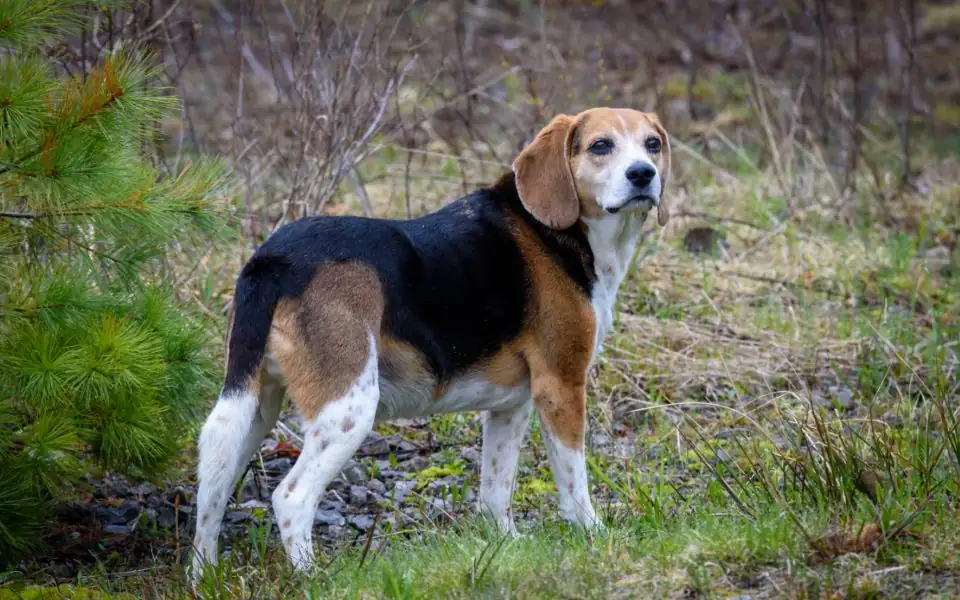
"How to help my dog lose weight" is one of those questions with a short answer and a long practice. The short answer is fewer calories and a bit more movement. The practice involves finding out how heavy the dog really is, ruling out a medical cause, cutting food without cutting nutrients, and choosing exercise your dog's joints can handle. For heavy dogs that struggle on walks, swimming and underwater treadmill work can make that last part far easier, because the water carries much of the load. None of it should start without your veterinarian, who sets the target and the pace.
Why a few extra kilos matter
Dogs do not have to be obese for the extra kilos to affect their health. Carrying extra fat is linked with osteoarthritis, diabetes, breathing problems and some cancers, and it puts steady strain on joints and soft tissue. In a lifetime study of Labrador retrievers, dogs fed to stay at a healthy, lean weight lived a median of almost two years longer than littermates allowed to get heavier. Weight loss is less about looks than about overall health and quality of life in the later years.
Is your dog actually overweight?
Your dog's weight on the scale tells you less than you might think. Two dogs of the same breed can have very different frames, and breed charts are only a rough guide to ideal weight. Veterinarians use a body condition score instead, most often on a nine-point scale. At an ideal 4 or 5, you can feel the ribs easily under a thin layer of fat, see a waist when you look down from above, and see the belly tuck up from the side. Scores of 6 and 7 mean overweight; 8 and 9 mean obese. As a rough rule, every point above ideal represents about 10% excess weight.
The World Small Animal Veterinary Association's nutrition toolkit includes the body condition chart many clinics use, along with a separate muscle condition score. That second score matters for heavy dogs. A sedentary dog can carry too much fat and too little muscle at the same time, and the plan has to address both.
Start with a vet visit, not a smaller bowl
Some weight gain has a medical cause. Hypothyroidism and Cushing's disease (hyperadrenocorticism) are two common ones, and both should be ruled out before a diet begins, usually with an examination and blood tests. The visit also turns up medical conditions that will shape the exercise side of the plan: arthritis, a sore back, a heart murmur, breathing trouble in a flat-faced breed. Your dog's age, health and activity level are part of the picture too. Ask for the plan in writing, with the daily amount in grams.
The veterinary team will usually want to know what the dog eats now, often through a food diary kept for several days that records every meal, chew, scrap and pill pocket. From that record your veterinarian works out how many calories it will take for your dog to lose weight, and sets a goal. Treat that first figure as a starting point to be checked against the scale at the next recheck.
A safe pace for losing weight
Slow, steady loss is the healthy kind. VCA's guidance, written with the Canadian Academy of Veterinary Nutrition, puts a reasonable rate at 1% to 2% of starting body weight per week, and nearer 0.5% for severely obese dogs. Cornell's veterinary college frames the goal as 3% to 5% a month. In practice, a 30 kg Labrador losing 1% weekly sheds about 300 g, easy to miss from one weigh-in to the next and significant over a season.
Faster is not better. Rapid loss costs lean muscle, leaves the dog hungrier and makes it harder to supply every nutrient on a reduced ration. A drop of more than 2% of your dog's weight in one week is a reason to reweigh your dog and phone the clinic; leave the portion as it is until the veterinary team has looked at it.
Food does most of the work
Exercise helps, but no dog can walk off a heavy hand with the kibble. The food side of the weight loss plan comes down to three decisions.
What to feed
Simply giving less of the usual food is risky over a long diet. A regular adult maintenance food is balanced for the amount on the bag, so a sharply reduced portion can also mean too little of the protein, vitamins and minerals it needs to stay healthy. Veterinary weight reduction diets are made to be fed in restricted amounts. They are lower in calories per cup but richer in protein, vitamins and minerals, which protects muscle and keeps the ration complete, and extra fibre keeps a reasonable volume of food in the bowl. Any diet you feed your dog should be complete and balanced. Foods labelled "light" or "healthy weight" on a store shelf are not the same as a therapeutic diet, so ask your veterinarian which one fits your dog's needs. Switch over gradually, over seven days or more, to avoid stomach upset.
How much
Portion control starts with a scale. A kitchen gram scale is far more accurate than a measuring cup, and small daily errors add up over a long diet. If you must use a cup, level it off rather than heaping it. Feed the allowance as two or more smaller meals if that keeps a hungry dog more settled, and a puzzle feeder makes each of those meals last longer.
Treats and extras
Treats can stay, but they come out of the daily allowance: a common rule is no more than 10% of calories from treats, chews and table food combined. Store-bought treats vary widely in calories, so read the label, and count training treats too. Crunchy vegetables such as green beans or carrot pieces make healthy low-calorie treats that still feel like a reward. Table scraps between meals add up quickly; even a small amount of cheese is part of the total. Not every stare at the treat jar is hunger; some dogs simply want company, and a game or a few minutes of brushing costs no calories. Everyone in the house has to follow the same rules; one person giving your dog extra crusts can undo days of careful portioning. In a home with more than one dog, feed them apart and pick up bowls after a set time so no one finishes someone else's meals.
Why swimming suits heavy dogs
An overweight dog faces a catch: it needs exercise, but extra weight makes exercise uncomfortable and loads joints that may already be sore. Water eases that problem. Buoyancy takes a large share of the load off the legs, so a dog that tires after ten minutes on the pavement can often work longer, and with less pain, in a pool or a treadmill tank. Rehabilitation vets note that water can make it much easier for a previously inactive dog to get started.
For weight loss, swimming is also real aerobic work. The resistance of the water makes muscles work harder than they would at the same speed on land, which may help the dog keep lean tissue while calories are cut. That matters, because a dog that loses muscle along with fat ends up weaker and tends to burn less energy at rest. How much a session burns depends on the dog, the water temperature and the effort; reliable figures for an individual dog are not available, which is one more reason the food plan stays in charge.
Pool, treadmill or lake?
For a dog with severe obesity, arthritis or another health problem, the safest start is a veterinary rehabilitation service. VCA's weight-loss guidance suggests asking for a referral, and an underwater treadmill lets the team set water depth and belt speed so the dog walks with its legs bearing only part of the load. Staff can monitor breathing and heart rate and decide when to rest. Heavy, unfit dogs usually begin with a few minutes at a time and build up.
Free swimming in a hydrotherapy pool is harder work and suits dogs who can already move reasonably well. A fitted life jacket is sensible for heavy dogs, since extra fat and low stamina make tiring in deep water a real risk. A lake or backyard pool can help once the vet agrees, provided the dog wears a jacket, has an easy way out and is watched the whole time. Swimming is not right for all dogs, so ask your veterinarian before the first session.
Building a weekly routine
Water work fits best as one part of weight loss, not the whole program. A realistic schedule for heavy dogs whose health has been checked by a vet might look like this:
- Most days: a daily walk, lengthened gradually. Cornell suggests adding about 10% weekly. A brisk stretch in the middle counts for more than a long amble with constant stops.
- Once or twice weekly: a supervised swim or treadmill session.
- Every day: short play sessions and food puzzles, which add movement and slow down eating.
Canadian winters complicate this. Icy sidewalks, road salt and short days cut walks down for months, and an indoor pool or treadmill session keeps the routine going when outdoor exercise is hard. Whatever the season, watch your dog's response rather than the clock. Heavy panting, lagging behind, limping or stiffness the next morning are signs to ease off and check in with the clinic.
Tracking weight loss and keeping it off
Expect an early recheck, often within a week or two, to confirm the new diet has been accepted and the portion is right. After that, weigh your dog every two to four weeks, or as often as the clinic advises; a home scale is fine if you also bring the dog in for periodic assessments. Write each weigh-in down with a note on appetite and stool quality, so you can monitor weight trends rather than single readings. When the numbers stop moving, look first for food nobody counted before the team changes the plan.
Reaching the target is not the end. Once your dog is at a healthy weight, the veterinary team will raise the food to a maintenance amount, and the job becomes holding steady. A leaner dog generally enjoys better health, moves more easily and plays more, and keeping up the swimming and walking habits built during the diet is one of the simplest ways to stop the weight gain from returning. For owners still asking how to help my dog lose weight after a slow start, the next step is a recheck with the clinic, not a stricter diet at home.