
Dog Arthritis Treatment for Seniors: Water Therapy, Massage and Joint Support
October 10, 2026
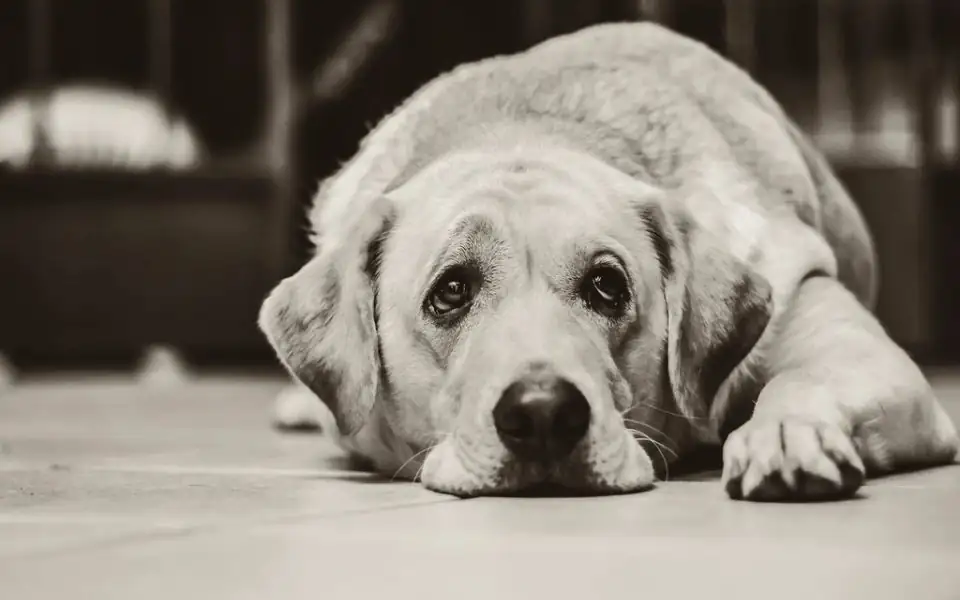
The older dog that hesitates at the stairs, rises slowly after a nap or turns back halfway through its usual walk is often living with osteoarthritis (OA), a chronic disease in which the cartilage inside a joint slowly wears away. It cannot be cured. Good dog arthritis treatment still makes a real difference. Vets call the usual strategy a multimodal approach: most plans combine weight control, gentle exercise, warm-water therapy, hands-on work, medication and small changes at home, and the right mix depends on which areas are affected and how far your dog's disease has gone. Your veterinarian should be the one to put that mix together.
What is happening in the joint
In most dogs, OA follows earlier damage to the joint. Hip or elbow dysplasia, a torn cruciate ligament, a slipping kneecap or an old fracture can set it off years before the stiffness shows, so OA is not limited to senior dogs. Once it starts, the cartilage over the bone ends wears thin, the joint fluid cushions less, and new bone forms around the edges, bringing pain and inflammation, stiffness and loss of use.
The signs are easy to mistake for ordinary ageing. Look for stiffness after rest, limping, trouble with stairs or the car, shorter walks, less interest in play, or irritability when sore areas are touched. Your veterinarian confirms the diagnosis by watching your dog's gait, feeling the joints and usually taking X-rays.
Weight: the part owners control
Few measures help as much as keeping a dog lean. Every extra kilo adds load to each sore joint, and obesity contributes in a second way, since fat tissue releases substances that drive inflammation and speed the progression of OA. If your dog's weight is above ideal, ask your veterinarian for a weight management plan with a measured food amount and regular weigh-ins. Even a modest loss reduces the load those joints carry with every step.
Water therapy for arthritis
For many arthritic dogs, water is the most comfortable place to exercise, and it is widely used in dog arthritis treatment at rehabilitation clinics. Buoyancy takes much of the body's weight off painful joints, warm water relaxes tight muscles, and the resistance of the water builds strength at a slow pace. That combination lets a stiff dog move through a fuller range of motion than it manages on land, and helps rebuild muscle that wastes away when a dog moves less.
There are two main options. An underwater treadmill lets a rehabilitation team set the water depth and belt speed, so the dog walks naturally with as much support as it needs. Supervised swimming in a heated pool suits dogs for whom any weight-bearing hurts, or those with OA in several joints. Your vet can refer you to a certified rehabilitation practitioner; expect short sessions at first, a life jacket, and controlled entry and exit, because a slip on a wet ramp is exactly what an arthritic dog does not need. A cold lake is a different matter: cold water can leave an old dog stiffer rather than looser.
Massage and other hands-on therapies
Gentle massage can ease muscle tension around a sore joint, with the goal of minimizing pain during everyday movement. A rehabilitation practitioner can show you safe techniques for home and add passive range of motion exercises and stretches, which keep stiff limbs moving between sessions. Ask about specific exercises for the affected legs. Other physical options your vet may suggest include laser therapy, acupuncture, therapeutic exercises on land and electrical stimulation. Evidence varies between them, and they work best as part of a combination of therapies rather than on their own. If physical therapy is working well, your vet may be able to lower some medication over time.
Medication and joint supplements
Pain control sits at the centre of any treatment plan. Most dogs start on NSAIDs (nonsteroidal anti-inflammatory drugs) prescribed by the vet; because they are often given for months, the vet repeats blood work to check liver and kidney function and may add other medications for pain. Another option is a monthly clinic injection of an antibody against nerve growth factor (NGF), a protein behind much of OA pain. Keep to the prescribed schedule, report side effects such as vomiting or poor appetite, and never give human pain relievers, many of which are toxic to dogs.
Supplements such as glucosamine, chondroitin and omega-3 fatty acids are widely used to support joint health, and some prescription mobility diets include them. Talk to your veterinarian before adding any, since supplements can cause stomach upset or interact with medications.
Daily exercise and home changes
Arthritic joints do better with movement than with rest, as long as it is controlled. Split the day's walking into several short outings, with a similar amount each day rather than a quiet week and a busy weekend. High-impact activities like running or jumping for a ball tend to bring on pain later; scent games and food puzzles use the brain instead.
Around the house, a few changes make daily life more comfortable:
- a ramp at the car and the couch;
- grippy rugs or yoga mats on hardwood, tile and both ends of the stairs;
- a thick orthopedic bed somewhere warm and out of drafts;
- a stair gate for times when no one can help;
- raised food and water bowls, and nails trimmed for grip.
Canadian winters are hard on older dogs. Cold and damp tend to stiffen sore joints, icy sidewalks raise the risk of falls, and short walks on cleared paths, plus an indoor pool or treadmill session, can keep the routine going until spring. The Merck Veterinary Manual's guide for dog owners sets out the medical side in more detail.
Keeping the plan on track
OA changes over time, so regular rechecks let your veterinarian adjust the plan as needs shift. A short phone video of your dog getting up or climbing the back steps, taken every few weeks, makes gradual changes easier for the vet to judge. Whatever the mix, dog arthritis treatment aims to manage pain and protect quality of life: a dog that gets up without a struggle and still wants its walk.