
How to Teach a Dog to Swim: A Gentle Plan for Nervous Dogs
October 16, 2026
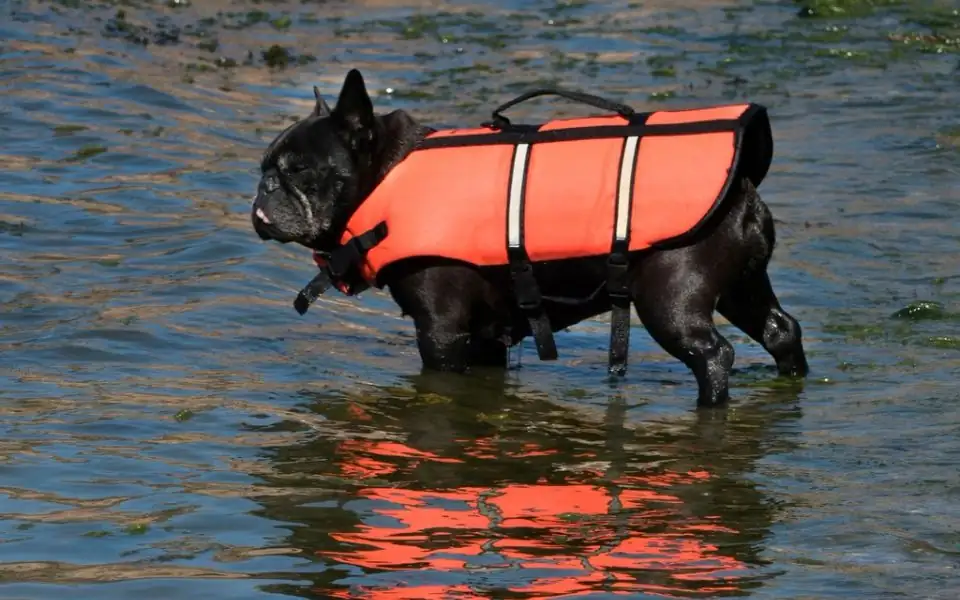
Not every dog charges into the lake. Some stop dead at the edge, and some will plant their feet on the dock no matter what is on offer. Knowing how to teach a dog to swim matters most with these hesitant ones, because a single frightening moment can set them back for years, while a slow, well-planned start gives even a nervous dog a fair chance of becoming a calm paddler. The method below relies on patience, a good life jacket and short sessions that end before the dog has had enough.
Why some dogs are wary of swimming
Most dogs swim by instinct to some degree, but not every dog is built for the job. Breeds developed to work around lakes and coastlines, such as the Newfoundland, the Labrador and the Chesapeake Bay Retriever, tend to take to it readily. Short-nosed breeds like bulldogs and pugs, and long-bodied, short-legged dogs like dachshunds and basset hounds, have to work much harder to keep their heads up, and they may never be strong swimmers.
Inexperienced dogs also tend to paddle only with the front legs while the hind end sinks, which makes them tire fast and feel unsteady. Add a slippery entry, a sudden drop-off or a past dunking, and wariness makes sense. The aim is not to talk a dog out of that caution but to show it, one small step at a time, that the lake is predictable.
Gear and setting before the first lesson
A properly fitted doggie life jacket is the piece of equipment to buy first. It keeps the hindquarters from sinking, which makes paddling with all four legs easier, and it gives a nervous animal the extra support it needs to stay calm while it works things out. Look for:
- a snug, adjustable fit that does not slide toward the head when you lift;
- a sturdy handle on the back, strong enough to lift the dog's full weight;
- a ring for attaching a line, plus a bright colour or reflective trim so the dog is easy to spot.
Let your dog wear the jacket around the house and on a walk first, with treats, so the gear itself is not one more new thing on swim day. Wear a personal flotation device yourself, too: a panicking dog may try to climb onto you, and with a large dog that puts you at real risk.
The place matters as much as the gear. Choose a quiet, gently sloping beach with clean footing and no current, at a time when there are few other dogs and no boats. A dock or a pool edge is a poor first spot because the depth changes all at once. Many lakes in British Columbia and Alberta stay chilly well into summer, so check the water temperature and save the first lessons for a warm, still day. Cold water makes a dog uncomfortable, and a dog that feels miserable learns to dread the outing.
How to teach a dog to swim, from wet paws to first strokes
Each stage below is a short, positive training session in its own right, repeated until the dog finds it a little boring. Only then move on.
- Explore the edge. Play in the shallows or walk along the shoreline on a loose leash and reward your dog for any step into shallow water. Ankle-deep is a success. Do not drag or pull your dog forward; a forced step undoes several voluntary ones.
- Practise getting out. Before going deeper, teach your dog where the exit is by walking in and out several times at the same spot, so that in a moment of doubt it heads straight there.
- Go in together. Wade in yourself and invite the dog to follow, with a favourite toy or food. Stay close and keep your voice relaxed. If your dog follows to belly depth and stays loose, you are making real progress.
- Take the first strokes. Once chest-deep water no longer bothers the dog, guide it by the jacket handle across a short stretch where its feet lose the ground, always heading toward the shallows. A few strokes are enough for a first swim; on the next visit, make that stretch slightly longer.
- Stop while it is going well. Keep swimming sessions to a few minutes at first and end after a good moment, not after a scramble.
Reward your dog for every small gain, and gradually increase how far out you go across several outings rather than in one afternoon. Dogs learn more from five calm visits than from one long, tiring one. Never throw a dog off a dock or into deeper water to "get it over with".
Reading fear and fun
A dog that feels comfortable holds its tail in a neutral position, stays loose through the body, sniffs, and turns back toward you or the shore on its own. A frightened one shows it in smaller ways first: lip licking, yawning, a tucked tail, trembling, wide eyes with the whites showing, or a sudden refusal to take treats it normally loves. Clawing at you or trying to climb up your body means it is past its limit.
When you see these signs, go back to the last depth where your dog was relaxed, let it settle on the shore and try again another day. Allow your dog to set the pace. Some will move from paw-deep to swimming in one weekend; others need a whole summer.
When progress stalls
Sometimes the setting is the problem. A warm, calm hydrotherapy pool with a ramp, run by a trained therapist, removes chill, waves and slippery rocks from the equation, and the therapist can stay in the pool right beside the dog. A professional dog trainer who uses reward-based dog training can also help if the fear seems to be spreading to baths or puddles.
It is also fine if your dog never becomes a water dog. Plenty of dogs enjoy the water from the shallows, wading, splashing and sniffing along the shore without ever wanting to swim, and that is still good exercise and play. Dock diving and long retrieves can wait for a dog that asks for them.
Safety rules that never change
- Never leave your dog unsupervised near pools, lakes, rivers or other bodies of water, even after it has learned to swim. Skill in the water does not protect a dog from fatigue, a current or a pool wall with no step.
- Watch the temperature. Long swims in chilly lakes can lead to hypothermia, and some dogs develop a limp, painful tail afterwards (often called limber tail). Dry your dog off and see a vet if the tail hangs or the dog keeps shivering.
- Limit gulping. Dogs that bite at waves or retrieve for a long time can swallow too much and become seriously ill. Take regular breaks, and carry clean water from home so lake water is not the only drink on offer.
- Check for algae blooms. Cyanobacteria (blue-green algae) can be toxic to pets that drink, wade in or lick their fur after contact. HealthLinkBC advises keeping pets out of water with visible blooms and rinsing them if they have been exposed. Alberta Health Services, for one, posts bloom advisories for individual lakes over the summer.
- Use life jackets on boats every time, whatever the dog's swimming skill.
Puppies, seniors and dogs in rehab
Puppies can splash in shallow water from an early age, at whatever pace they choose; swimming as a structured workout can wait until they have finished growing. Senior dogs often love swimming because it is gentle on stiff joints, but they can get cold more quickly and tire sooner, so keep sessions short. A dog recovering from surgery or injury should go nowhere near open water until your veterinarian has cleared it; in many cases, controlled exercise in a rehabilitation pool comes first.